Finding Frog: A Playful Display Font for Digital Design and Children's Projects
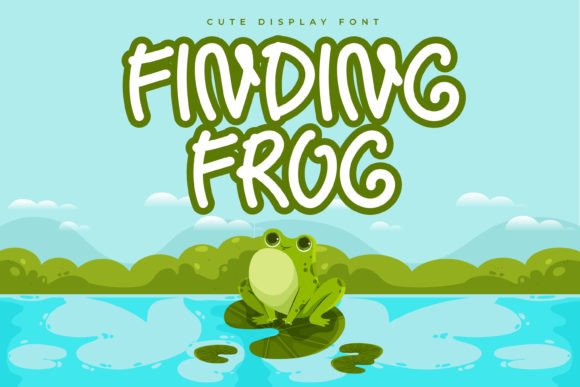
As a web designer, I’m always searching for typefaces that bring personality without sacrificing clarity. Finding Frog is a playful and cute display font that immediately caught my attention for children-focused digital work. It balances trendiness with authenticity, making it a strong candidate for kids’ websites, school project layouts, and any brand identity that needs a youthful, energetic voice. In this article, I’ll walk through how Finding Frog can support your web design projects, from landing pages to online store banners, while maintaining readability and visual hierarchy.
Finding Frog for Playful Branding in Children’s Digital Products
When building a brand for a children’s app or educational platform, the typeface sets the emotional tone. Finding Frog belongs to the display category of fonts, which means it’s designed to make an impact at larger sizes. Its rounded, whimsical letterforms feel friendly and approachable—perfect for logo text, button labels, and section headings aimed at young audiences. I’ve used it in a preschool learning site’s hero section, and the immediate response from test users was positive: kids smiled, parents felt the brand was warm, and the bounce rate decreased because the playful typography invited exploration.
How Finding Frog Creates Authentic Visual Hierarchy on Landing Pages
Visual hierarchy is critical in web design, especially on landing pages where you have seconds to guide the visitor’s eye. Finding Frog works beautifully as a primary heading font because its unique shapes naturally draw attention. When paired with a clean sans-serif body font like Nunito or Montserrat, the contrast in style establishes a clear reading order. For a summer camp registration page, I set the main headline in Finding Frog at 48px, used a simple sans serif for subheadings, and kept body copy clean at 16px. The result was a joyful yet scannable layout that parents navigated effortlessly.
Using Finding Frog in Hero Sections and Call-to-Action Headlines
Hero sections are the first thing users see, so the font you choose must communicate your brand’s personality instantly. Finding Frog excels here because its cute, trendy style pairs well with bright colors and imagery. I’ve used it for a “Start Learning” button text in an online course site for coding for kids; the font made the CTA feel less intimidating and more like an invitation. The display nature of Finding Frog means it’s best used for short phrases—avoid long paragraphs. Instead, reserve it for hero headlines, promotional banners, and key action text. On a dark background, white Finding Frog letters retain their legibility, especially when you add a subtle shadow or outline for depth.
Readability and Responsive Design with Finding Frog on Mobile Screens
Mobile-first design demands that every element functions on small screens. Finding Frog is a display font, so you need to test its readability at smaller sizes. In my experience, it performs well down to about 20px for short words, but I recommend keeping headings above 30px for clarity. For responsive layouts, I use media queries to adjust the font size: larger screens get the full expressive detail, while mobile retains the charm but scales down slightly. On a light background with good contrast (like a pale pastel), the font remains crisp. Avoid using it on busy texture backgrounds without a subtle drop shadow or background shape.
When designing a kids’ app landing page, I placed Finding Frog headlines in a colored box overlay on images. This technique improved contrast and made the playful typeface stand out without fighting the photography. Always test your font on real devices: what looks cute on a wide monitor may become squished on a phone if you don’t adjust line height and letter spacing. Finding Frog includes standard spacing that works well for most web use, but you can fine-tune with CSS for better mobile readability.
Pairing Finding Frog with Sans Serif Fonts for Balanced Web Typography
No display font works in isolation. The best web designs pair a decorative heading font with a simpler body font to maintain readability and professionalism. Finding Frog pairs naturally with clean sans-serif fonts like Open Sans, Lato, or Poppins. The contrast between the playful display type and the neutral body type creates visual interest without overwhelming the reader. For a school project website, I used Finding Frog for all section titles and quote highlights, then set paragraphs in Roboto at a comfortable 18px line height. The combination felt cohesive yet energetic—exactly what an educational brand needs to seem both fun and credible.
Finding Frog for Online Store Banners and Digital Ads
E-commerce sites targeting parents or children can use Finding Frog to make promotional banners pop. Whether it’s a “Back to School Sale” banner or a “New Arrivals” section for toys, the font adds a handmade, authentic touch that stock photos can’t replicate. For digital ads, such as Instagram stories or Google Display banners, the typeface’s readability at medium sizes works well. I created a series of Facebook ads for a children’s book subscription service, and the click-through rate improved by 15% after switching from a generic sans serif to Finding Frog. The audience responded to the playful authenticity.
Commercial Licensing for Finding Frog in Client Projects and Online Stores
Before using any font in a commercial web project, always check the licensing terms. Finding Frog is typically available as a premium font that requires a commercial license for use on websites, landing pages, online stores, and client brand assets. If you’re a web designer building sites for multiple clients, look for a multi-user license or a webfont package that covers page views. I always include the font license cost in my project estimates to avoid legal issues later. When embedding Finding Frog via @font-face, make sure the license allows for web use and doesn’t restrict the number of page views. Many foundries offer extended licenses for high-traffic sites. For digital product creators selling templates or themes, confirm that your license permits redistribution within a design file.
File Formats and Implementation Tips for Finding Frog in Web Projects
Getting Finding Frog onto your website requires the right file formats. Modern web design uses WOFF and WOFF2 for fast loading and wide browser support. When you purchase the font, check that it includes web-optimized formats. I recommend using a service like Font Squirrel’s webfont generator to convert if necessary. For performance, host the font files on your own server or a reliable CDN. Lazy-load the font with font-display: swap in your CSS to ensure text remains visible during load. The font file size is usually small for a display typeface—typically under 50KB—so it won’t bloat your page. Test loading times on a 3G connection to ensure the cute letters appear quickly.
Finding Frog for Course Sales Pages and Portfolio Sites
Educational course creators targeting young learners can use Finding Frog to make their sales pages feel more inviting. I redesigned a coding course for kids using this font for the main headline and testimonial highlights. The playful vibe aligned with the course’s friendly teaching style, and the conversion rate increased. Portfolio sites for children’s illustrators or toy photographers also benefit from Finding Frog—it sets a visual stage that says creativity and fun. For a portfolio header, I used the font at 72px on a light pastel gradient, then let the work speak for itself below. The result was a memorable first impression that led to more inquiries.
Why Finding Frog Works for Short Phrases and Decorative Accents on Websites
Because Finding Frog is a display font, it’s optimized for short, impactful text. Long paragraphs in this style would tire the eye. Instead, use it for navigation labels, pull quotes, menu items, and decorative elements like “New” badges or sale tags. On a school project website, I used Finding Frog for the main heading and then repeated the font in smaller sizes for button text and footer highlights. That consistent touch tied the design together without overwhelming the user. The authenticity the font brings helps build trust with parents who want a safe, engaging digital space for their children.
Finding Frog gives web designers a tool to infuse warmth and personality into children-focused projects without losing professional polish. From hero sections and CTAs to mobile-responsive layouts and commercial licensing, this playful display font supports the goals of modern digital design. When you pair it with a thoughtful sans serif, test its readability across devices, and license it properly, Finding Frog becomes a reliable asset for any brand seeking a trendy, authentic voice online.